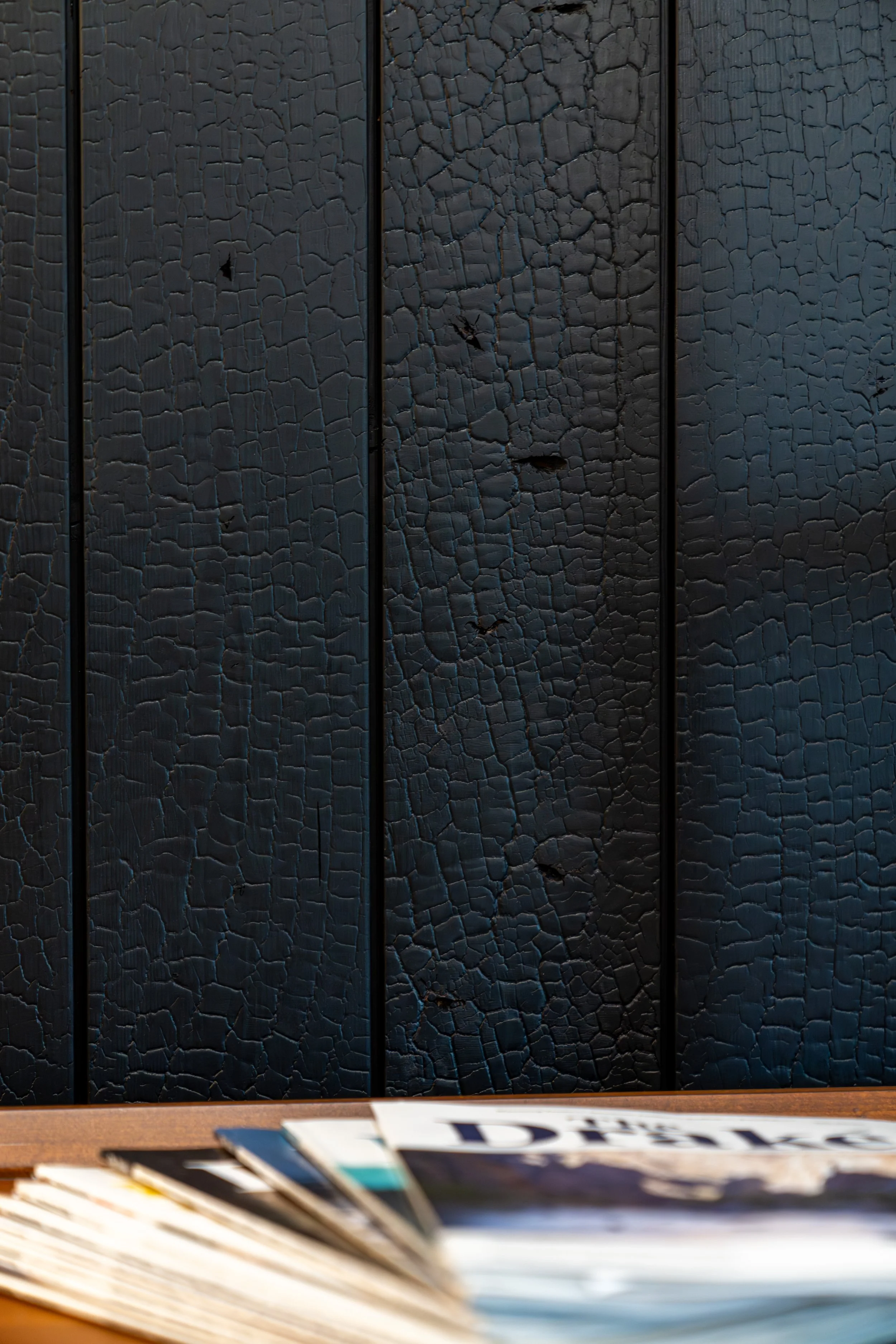
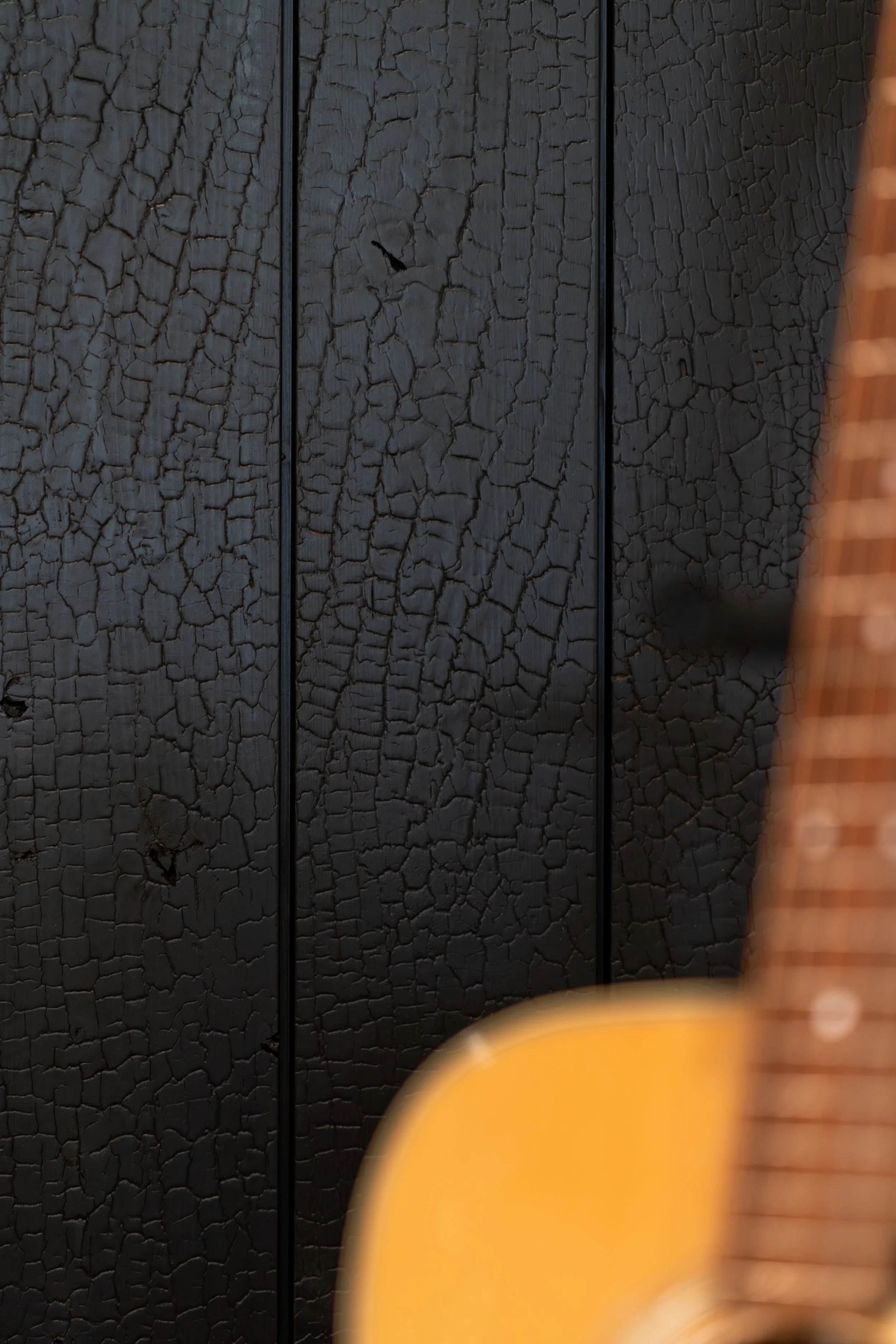
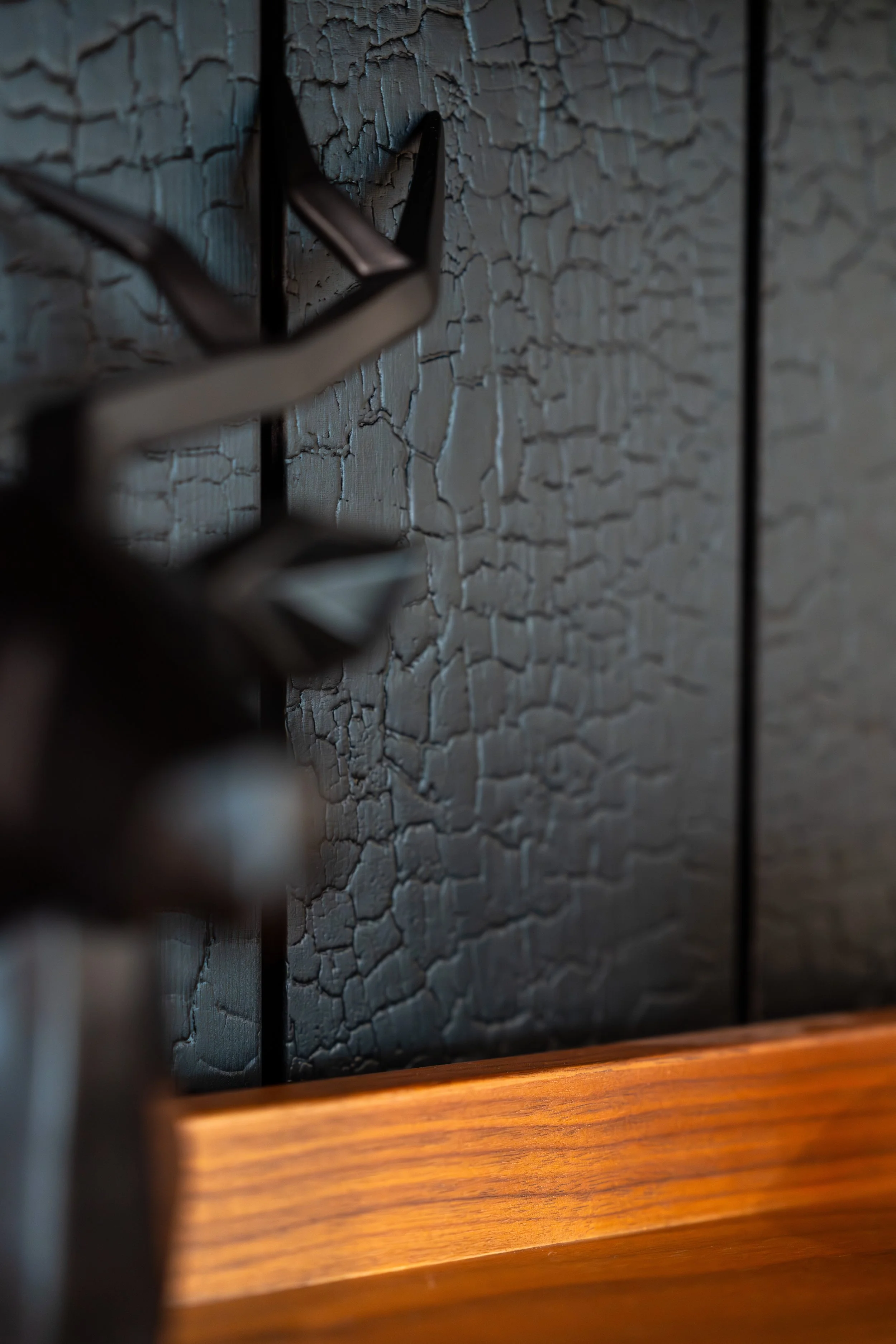
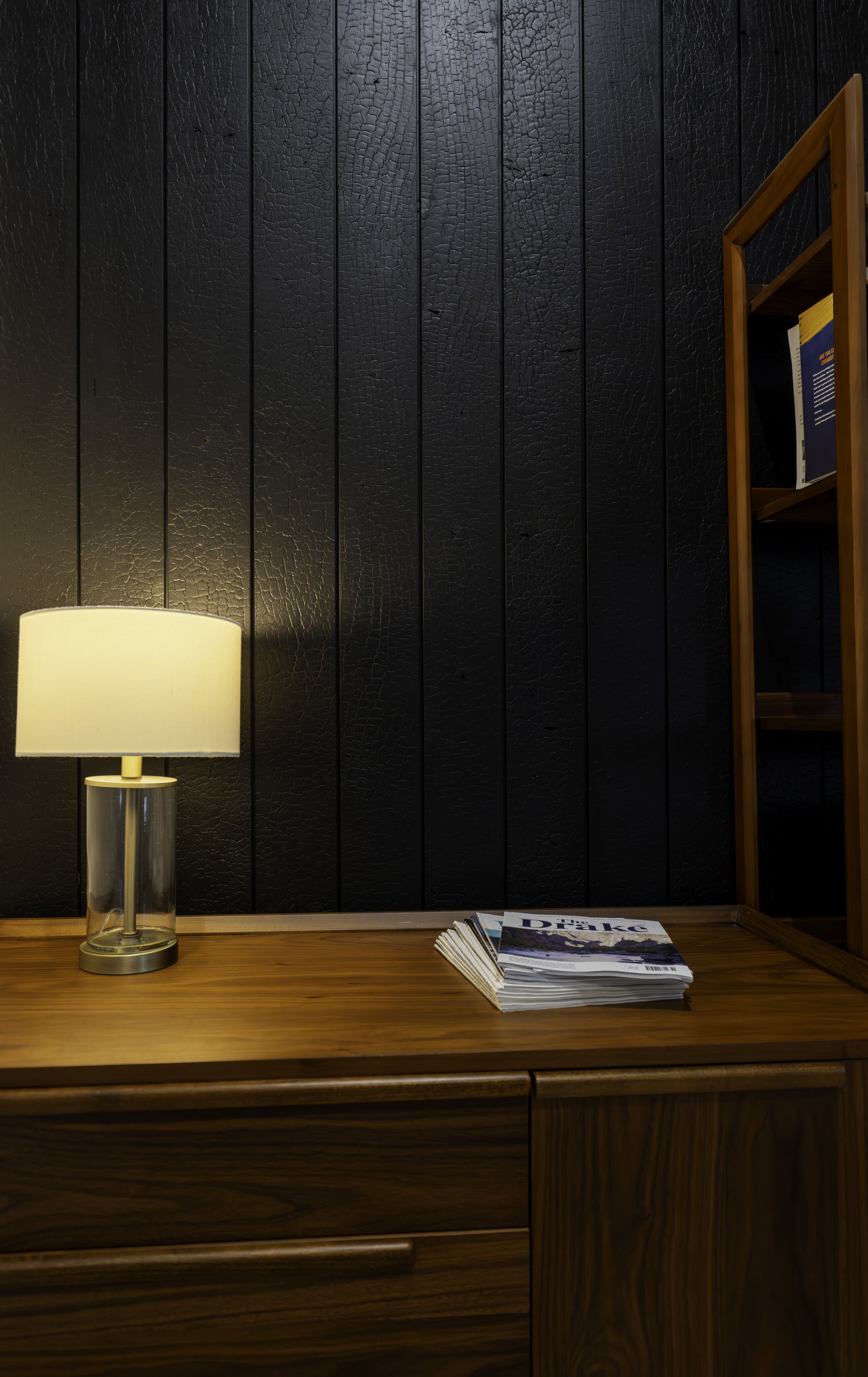
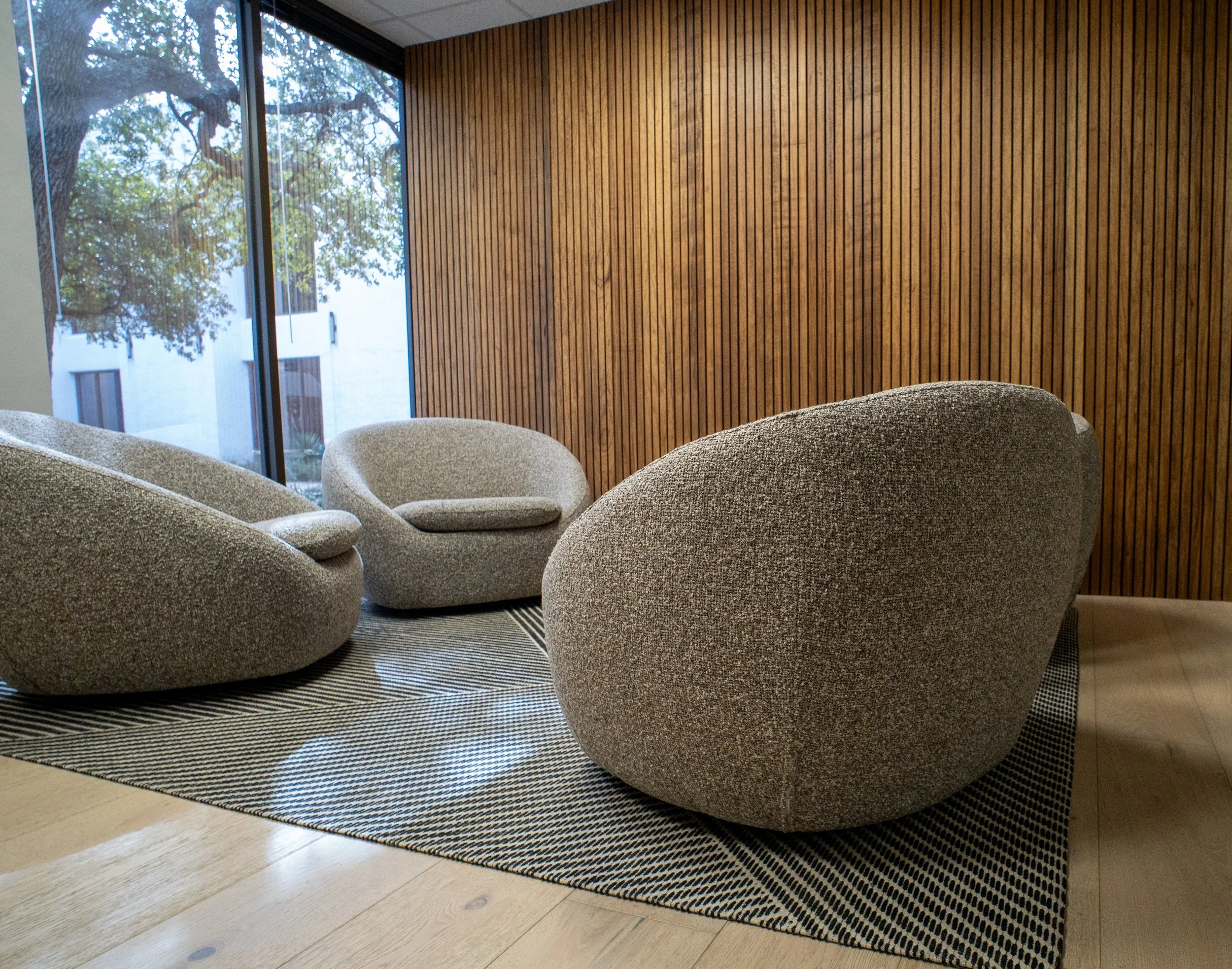
Elevating Interior With Interior Wood Cladding: What Homeowners Should Know
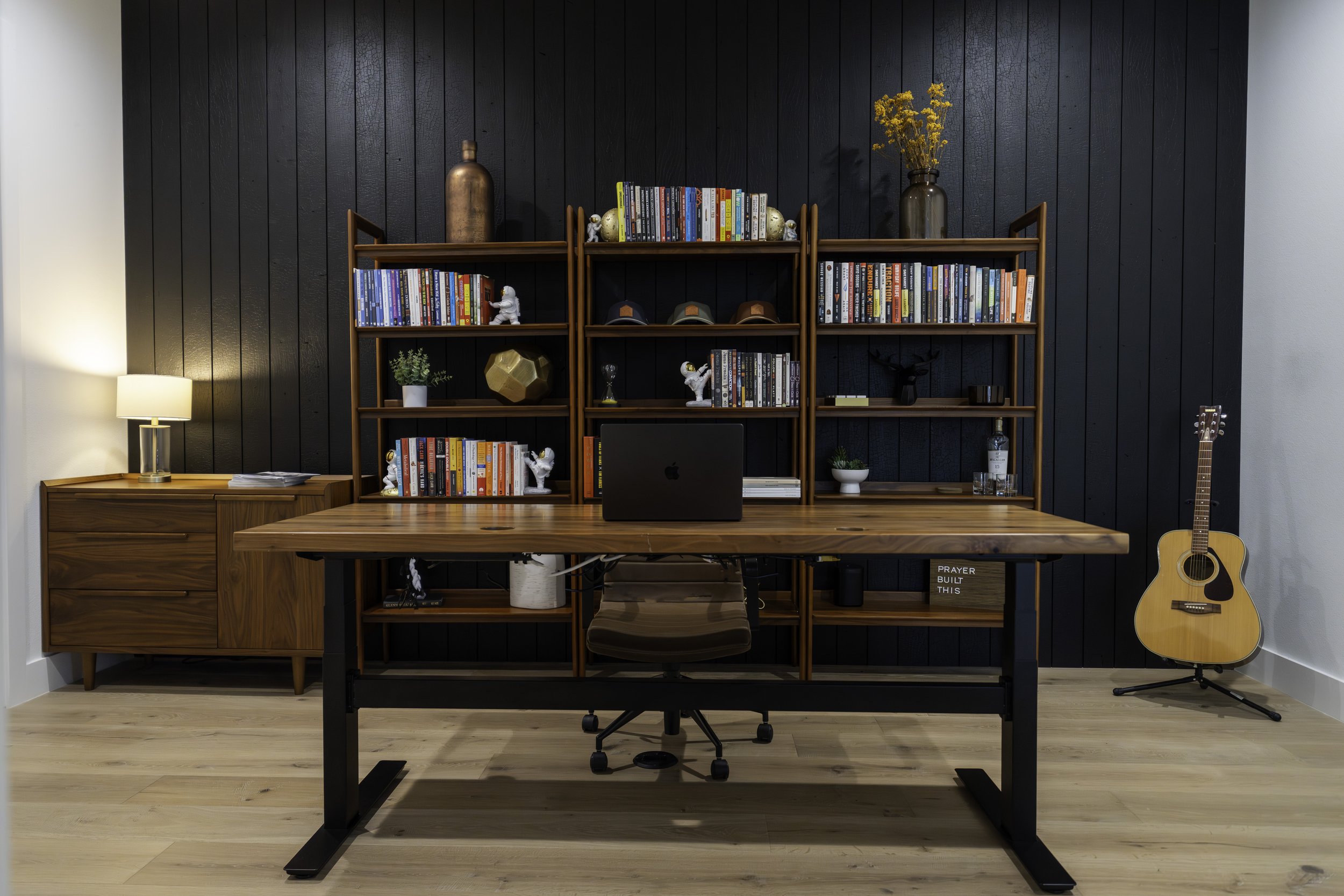
In high-end residential construction, the materials you choose don’t just define how your home looks—they shape how it performs, ages, and ultimately feels to live in. One design element we’re seeing more frequently in Austin and across Texas is interior wall cladding, particularly natural wood applications.
Done well, wood wall cladding adds warmth, depth, and architectural character that drywall simply can’t replicate. Done poorly, it can introduce long-term issues that compromise both aesthetics and indoor air quality.
If you’re considering wood wall cladding in your home—whether for a new build or a remodel—here’s what you need to understand.
Why Wood Cladding Is So Popular Right Now
Interior wood cladding has become a defining feature in modern luxury homes. From clean-lined contemporary spaces to warm transitional designs, it brings:
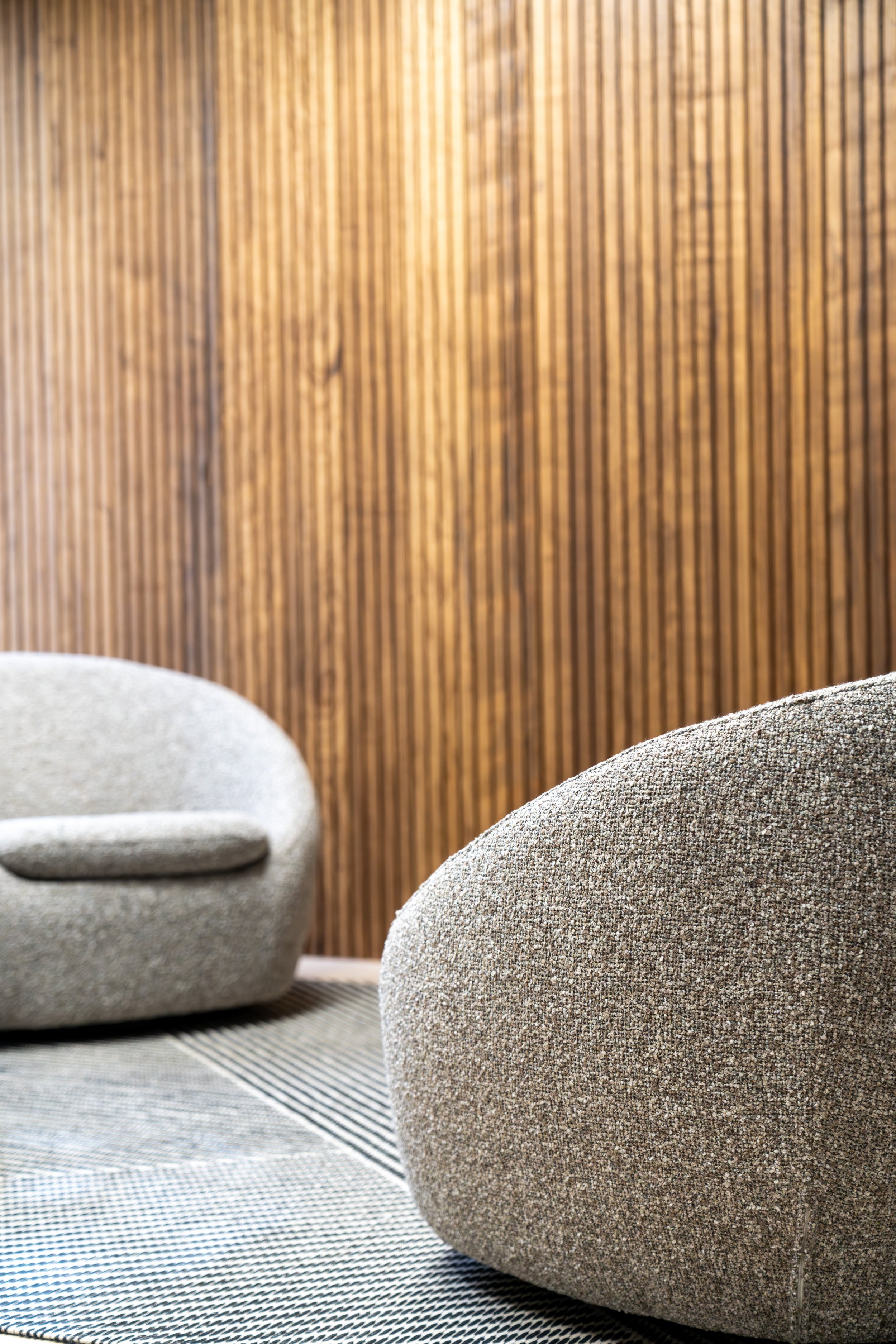
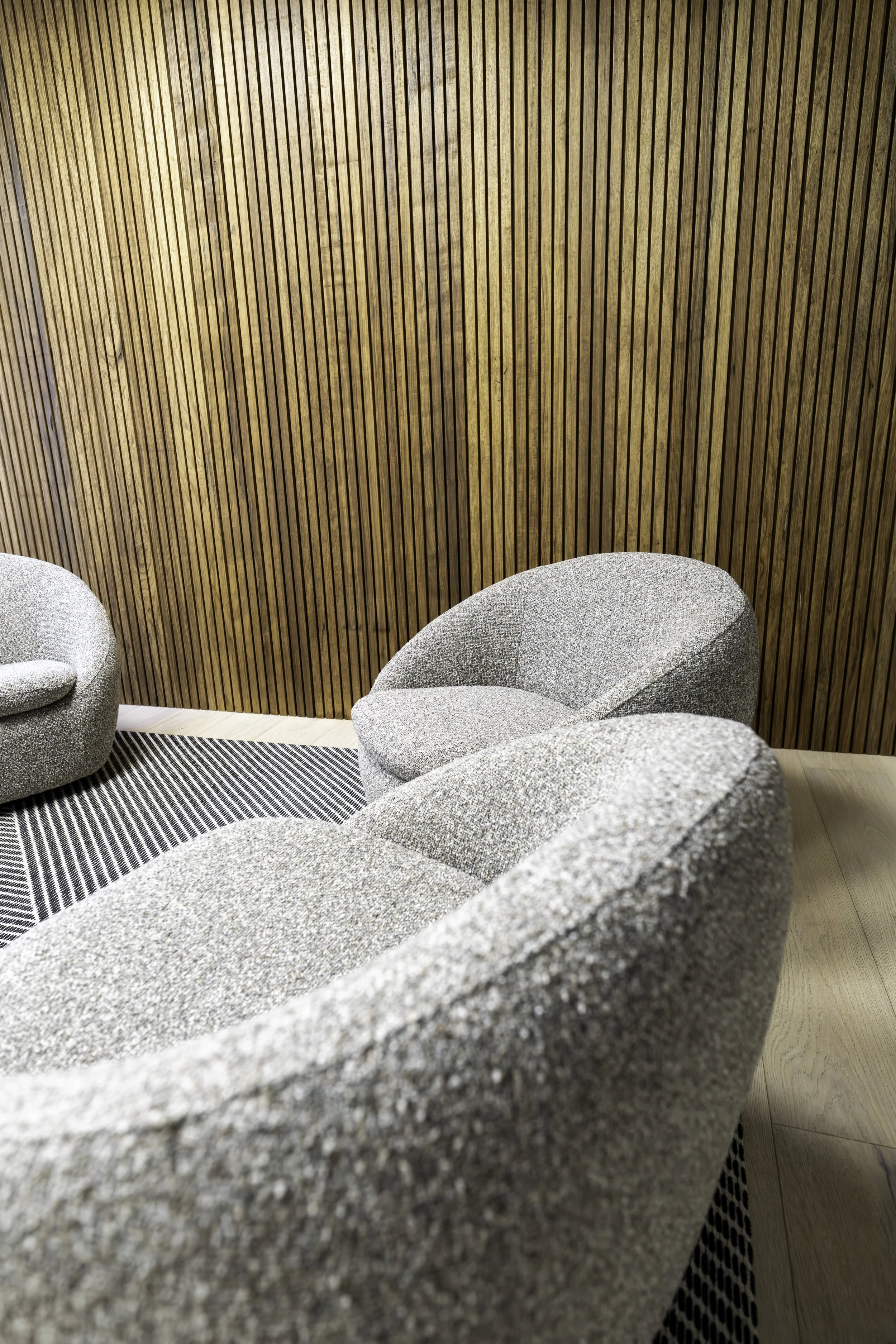
Texture and visual depth – Breaking up flat drywall surfaces with natural grain variation
Warmth and comfort – Especially important in modern homes that can otherwise feel sterile
Architectural interest – Turning walls into intentional design elements rather than just boundaries
Timeless appeal – When done right, wood ages gracefully and never feels trendy or disposable
In Austin, where we blend modern design with natural materials, wood cladding fits particularly well with the regional aesthetic.
Not All Wood Is Created Equal
One of the biggest misconceptions homeowners have is that “wood is wood.” In reality, the performance of wood products varies significantly depending on how they’re sourced, processed, and installed.
Thermally Modified Wood: A Premium Option
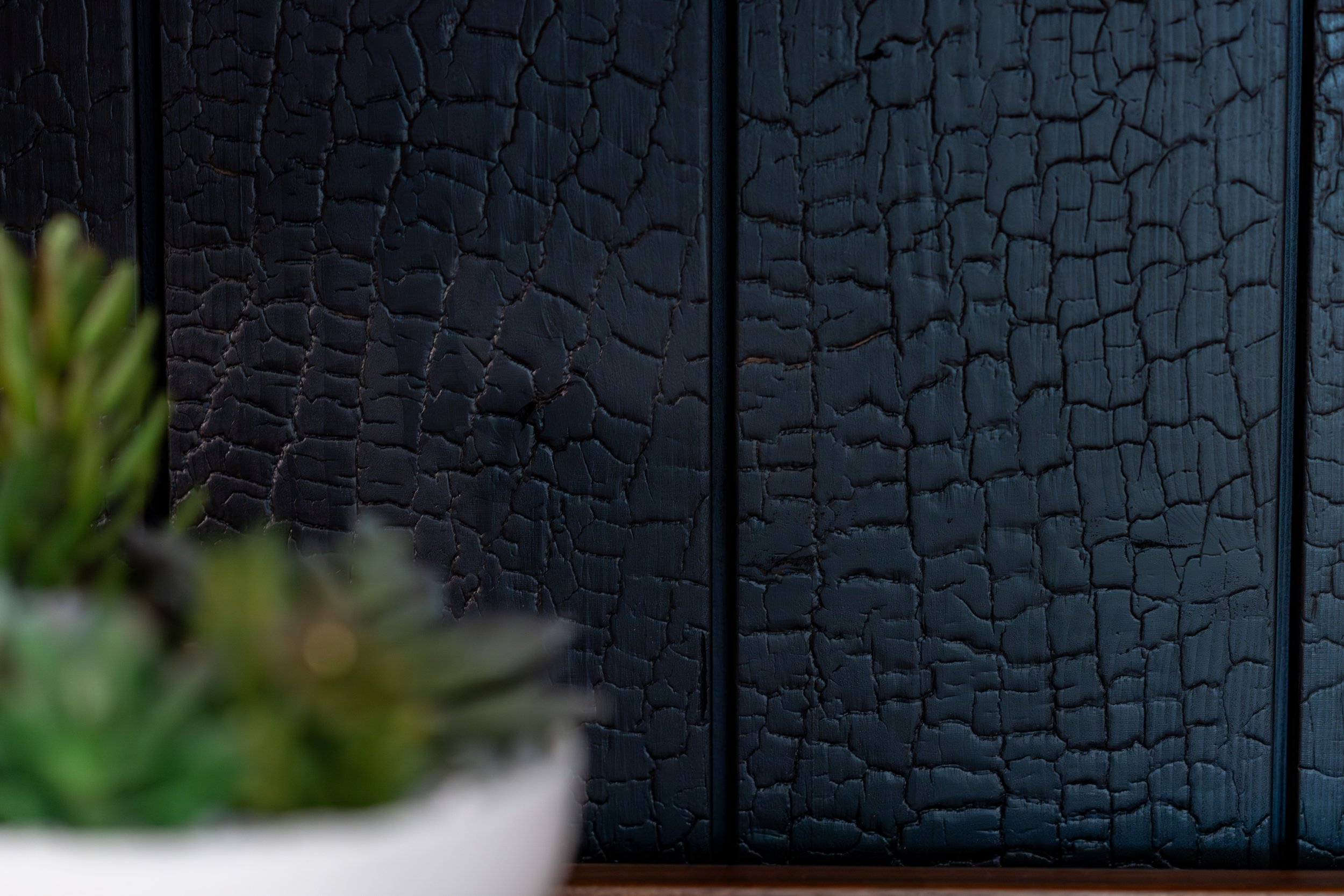
Thermally modified wood has become a standout material in both exterior and interior applications. Through a controlled heating process, deprived of oxygen, the wood is altered at a cellular level, resulting in:
Improved dimensional stability (less expansion and contraction)
Resistance to moisture and decay
Reduced risk of warping or cupping over time
For interior applications, this stability is critical—especially in Central Texas where humidity swings can be significant.
The Hidden Risks of Low-Quality or Improper Materials
While wood cladding can elevate a home, introducing the wrong materials can create long-term problems.
1. Unstable Materials
Lower-quality or improperly dried wood can:
Warp, cup, or twist after installation
Create gaps or uneven surfaces
Require costly repairs or full replacement
2. “Dirty” Materials
This is something many homeowners don’t consider. Materials that aren’t properly processed or finished can introduce:
Dust and particulates into your home environment
Mold or biological contaminants
Off-gassing from low-grade finishes or adhesives
In a tightly built modern home, indoor air quality matters more than ever. What goes on your walls is just as important as what goes into your HVAC system.
Why Product Quality Matters
High-end construction isn’t just about appearance—it’s about performance over time.
When we specify materials for interior cladding, we’re evaluating:
Source and grading of the wood
Moisture content and stability
Manufacturer reputation and testing standards
Finish quality and durability
Cutting corners on material quality may save money upfront, but it almost always costs more down the road—in repairs, maintenance, and frustration.
Installation Matters Just as Much as Material
Even the best product will fail if it’s installed incorrectly. Proper installation is where craftsmanship truly shows.
Blind Nailing
A preferred method for many wood cladding applications, blind nailing:
Conceals fasteners for a clean, uninterrupted look
Provides secure mechanical attachment
Allows for natural movement of the material
Adhesives
In some applications, adhesives are used alongside or instead of fasteners:
Must be compatible with both the substrate and the wood product
Should be low-VOC and appropriate for interior use
Require precise application to avoid future failure
Following Manufacturer Guidelines
This is non-negotiable.
Every high-quality product comes with specific installation requirements, including:
Acclimation periods
Spacing and expansion allowances
Fastener types and placement
Environmental conditions during installation
Ignoring these guidelines is one of the fastest ways to compromise both performance and warranty coverage.
The Impact of Getting It Right
When thoughtfully selected and properly installed, wood wall cladding becomes more than a finish—it becomes a defining feature of the home.
It can:
Anchor a living space with warmth and character
Elevate a primary suite into a retreat
Add value and distinction in a competitive real estate market
Most importantly, it creates a home that feels intentional, refined, and built to last.
Final Thoughts
As a builder, our role is to guide homeowners through decisions that balance beauty, performance, and longevity. Interior wood cladding is a perfect example of where that balance matters.
If you’re considering incorporating it into your home, focus on three things:
Choose high-quality, stable materials
Avoid introducing anything questionable into your interior environment
Ensure installation is done correctly and according to manufacturer standards
When those elements come together, the result is something truly exceptional.